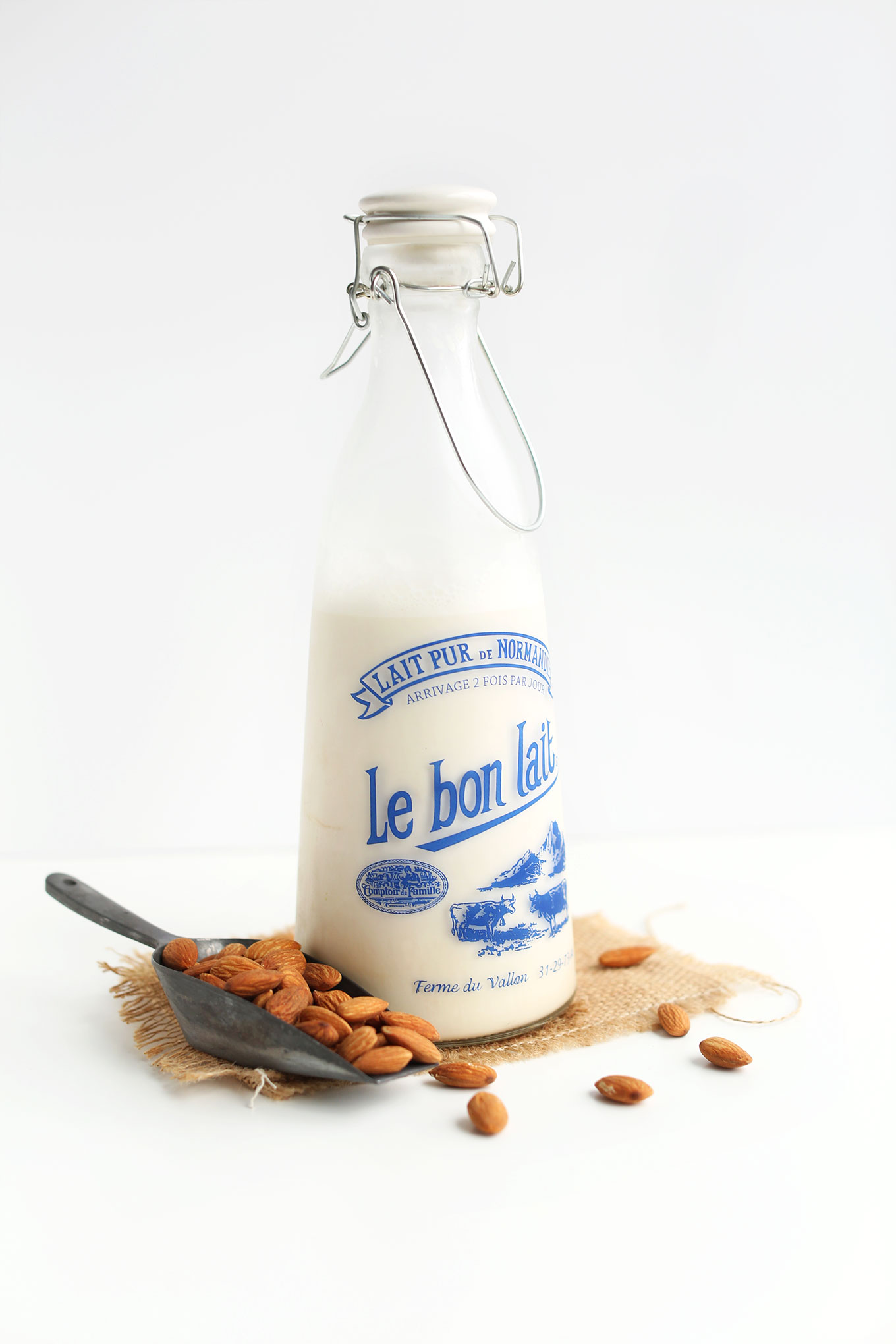
Craft Your Perfect Almond Milk: Rich, Creamy, & Additive-Free
In a world brimming with convenient, pre-packaged options, the simple act of preparing something from scratch often feels like a luxury. Yet, when it comes to almond milk, few homemade endeavors deliver such a profound upgrade in taste, texture, and nutritional purity. If you've ever wondered how to make homemade almond milk that truly surpasses anything you can buy at the grocery store, you're in for a delightful revelation. Ditching the store-bought cartons means saying goodbye to unwanted additives, emulsifiers, and preservatives, and embracing a fresh, vibrant flavor that will elevate your morning coffee, smoothies, and cereals.
Making your own almond milk is not only surprisingly easy but also incredibly rewarding. The difference is palpable, transforming everyday moments into truly gourmet experiences. From the satisfyingly rich mouthfeel to the subtle, natural sweetness of almonds, homemade almond milk offers an unparalleled sensory journey that is both healthier and more delicious.
Why Homemade Almond Milk Reigns Supreme
The allure of homemade almond milk extends far beyond just freshness. It’s about reclaiming control over what goes into your body and enjoying a superior product in every aspect. Here's why making your own is the ultimate choice:
Uncompromised Purity: Ditch the Unwanted Additives
One of the most compelling reasons to learn how to make homemade almond milk is to escape the labyrinth of ingredients found in many commercial brands. Walk down the dairy aisle, and you'll often find a long list including thickeners like gellan gum or carrageenan, emulsifiers such as sunflower lecithin, and various preservatives. While generally considered safe, these additives can alter the natural flavor and texture of the milk, and some people prefer to avoid them entirely. With homemade almond milk, you dictate the ingredients – typically just almonds, water, and your choice of natural flavorings. This minimalist approach ensures you're consuming a clean, wholesome beverage, free from any artificial interference. For a deeper dive into the benefits of additive-free options, explore Easy Homemade Almond Milk: Ditch Additives, Boost Flavor.
Unmatched Taste and Texture
Many first-time homemade almond milk makers are astonished by the difference in taste. Store-bought versions, even premium ones, often have a slightly watery consistency and a less pronounced almond flavor. Homemade almond milk, especially when crafted with care, boasts a rich, creamy texture and a vibrant, nutty taste that truly shines. It transforms your chai tea into an "elevated" experience, and makes your morning oatmeal feel like a gourmet breakfast.
Nutritional Benefits and Customization
While almond milk naturally contains less protein than dairy milk, it offers its own unique set of nutritional advantages. It's naturally lactose-free, making it an excellent alternative for those with dairy sensitivities. It’s also lower in calories than cow's milk and can be a good source of Vitamin E. Many commercially fortified almond milks also contain added calcium and Vitamin D, though the amounts can vary. By making it yourself, you control the level of richness and sweetness, allowing you to tailor it perfectly to your dietary needs and taste preferences. You can adjust the almond-to-water ratio for a thicker, more indulgent drink, or opt for a lighter consistency. You also have the freedom to experiment with natural sweeteners like dates, honey, or maple syrup, or omit them entirely for a sugar-free option.
Essential Ingredients for Your Almond Milk Masterpiece
The beauty of homemade almond milk lies in its simplicity. You only need a few high-quality ingredients to create a truly exceptional product.
- Raw Almonds: This is your foundational ingredient. Opt for raw, unsalted almonds. Blanched almonds can also work, but raw almonds are generally preferred for their natural enzymes and flavor.
- Filtered Water: Since water makes up the bulk of your almond milk, using good quality filtered water will significantly impact the final taste.
- Flavor Enhancers (Optional, but Recommended):
- Vanilla Extract: A dash of pure vanilla extract adds a beautiful aromatic depth.
- Cinnamon: A pinch of cinnamon can introduce a warm, cozy note.
- A Pinch of Salt: A tiny bit of sea salt might seem counterintuitive, but it actually brightens and enhances all the other flavors, much like in baking.
- Natural Sweeteners: For those who prefer a touch of sweetness, consider options like maple syrup, honey, agave nectar, or even a few pitted Medjool dates. These blend seamlessly into the milk, offering a more natural sweetness than refined sugars.
Mastering the Ratio: Achieving Your Ideal Creaminess
The ratio of almonds to water is the secret to controlling your almond milk's richness and creaminess. Experimentation is key to discovering your perfect preference:
- Standard (1 cup almonds to 4 cups water): This ratio typically yields about 1 liter of almond milk and results in a lighter, yet still flavorful, consistency. It's a great starting point, especially if cost-effectiveness is a factor, as almonds can be pricey.
- Richer & Creamier (2 cups almonds to 4 cups water): For those who crave an extra decadent and full-bodied almond milk, doubling the almond quantity for the same amount of water delivers a truly luxurious product. This is often described as being "better than store-bought" due to its enhanced creaminess, providing a texture that rivals even the most premium commercial options. If you're aiming for that luscious mouthfeel, this is the ratio to try. Learn more about achieving this luscious texture in Make Creamy Homemade Almond Milk: Better Than Store-Bought!.
Don't be afraid to play around with these ratios. You might find that 1.5 cups of almonds to 4 cups of water is your sweet spot, offering a good balance between richness and cost.
Step-by-Step Guide: How to Make Homemade Almond Milk
Ready to embark on your almond milk-making journey? Here’s a detailed, easy-to-follow guide:
1. Soaking the Almonds: The Foundation of Flavor and Texture
Soaking is a crucial first step that softens the almonds, making them easier to blend into a smooth, creamy milk. It also helps to activate enzymes and can improve digestibility.
- Place your desired amount of raw almonds (e.g., 1-2 cups) in a bowl or jar.
- Cover the almonds with at least twice their volume of water (e.g., 2 cups almonds in 4-5 cups water) to ensure they are fully submerged.
- Let them soak for a minimum of 6 hours, or preferably overnight (10-12 hours). You'll notice they plump up considerably.
- Once soaked, drain the almonds completely and discard the soaking water. Rinse them thoroughly under cold running water. This step is important as the soaking water contains enzyme inhibitors and can have a slightly bitter taste.
2. Blending for Creaminess
A high-speed blender is your best friend for this step, ensuring a silky-smooth result.
- Transfer the rinsed, soaked almonds to your blender.
- Add 4 cups of fresh, filtered water.
- Now, incorporate your chosen flavor enhancers:
- A pinch of sea salt (about ⅛ to ¼ teaspoon)
- ¼ to ½ teaspoon of ground cinnamon (optional)
- 1 tablespoon of pure vanilla extract (optional)
- If sweetening, add 1-2 tablespoons of maple syrup, honey, agave, or 2-3 pitted Medjool dates now.
- Blend on high speed for 1 to 2 minutes. You want to see a creamy, frothy, opaque white liquid with no visible chunks of almond. The longer you blend, the smoother and more emulsified your milk will be.
3. Straining for Silkiness (or Enjoying it Wholesome)
This step determines the final texture of your almond milk.
- For a Grainy, Wholesome Milk: If you enjoy a slightly thicker, pulpier texture and don't mind tiny bits of almond, you can drink the milk immediately, unstrained! This retains more fiber and nutrients.
- For a Smooth, Classic Milk: Most people prefer a smooth, silky texture. To achieve this, you'll need to strain the milk:
- Place a fine-mesh sieve over a large bowl. Line the sieve with a nut milk bag or a double layer of clean muslin cloth/cheesecloth.
- Carefully pour the blended almond mixture into the lined sieve.
- Allow the liquid to drain naturally for a few minutes.
- Once most of the liquid has passed through, gather the edges of the nut milk bag or cloth and twist it closed.
- Gently but firmly squeeze the bag to extract every last drop of almond milk. Be patient, as this can take a few minutes. The more you squeeze, the more milk you'll get, and the drier your almond pulp will be.
4. Sweetening and Storing
A final touch before enjoying your creation.
- Taste your freshly made almond milk. If you didn't add sweetener during blending or prefer it sweeter, stir in an additional tablespoon or half of your preferred sweetener (honey, maple syrup, agave, or even a touch of sugar) until dissolved.
- Pour your almond milk into a clean, airtight glass jar or bottle.
- Store in the refrigerator. Homemade almond milk typically stays fresh for 3-5 days. It's natural for it to separate slightly; just give it a good shake before each use.
Tips for the Perfect Batch & Creative Variations
- Don't Waste the Pulp! The leftover almond pulp is a hidden gem. It can be dehydrated and ground into almond flour, added to smoothies for extra fiber, used in energy balls, or even incorporated into baked goods like crackers or muffins.
- Temperature Matters: Using cold water during blending can help keep the milk cooler and prevent any "cooking" of the almonds, preserving their fresh flavor.
- Spice It Up: Beyond vanilla and cinnamon, consider adding a pinch of cardamom for an exotic twist, or a tiny grating of nutmeg. For a natural chocolate almond milk, blend in a tablespoon of unsweetened cocoa powder.
- Beyond Drinking: While delicious on its own or in coffee and tea (it truly takes chai to another level!), homemade almond milk is fantastic in oatmeal, overnight oats, smoothies, and even in savory sauces or creamy soups.
Mastering how to make homemade almond milk opens up a world of fresh flavors and healthy choices. It’s an easy, economical, and incredibly delicious way to enjoy this popular plant-based beverage, free from additives and tailored exactly to your taste. Once you try it, you may never go back to store-bought again.
Making your own almond milk is a small effort with a huge payoff. The satisfaction of crafting something so pure, delicious, and customized in your own kitchen is immense. So, gather your raw almonds, fire up your blender, and prepare to elevate your daily sips with the rich, creamy goodness of homemade almond milk.
