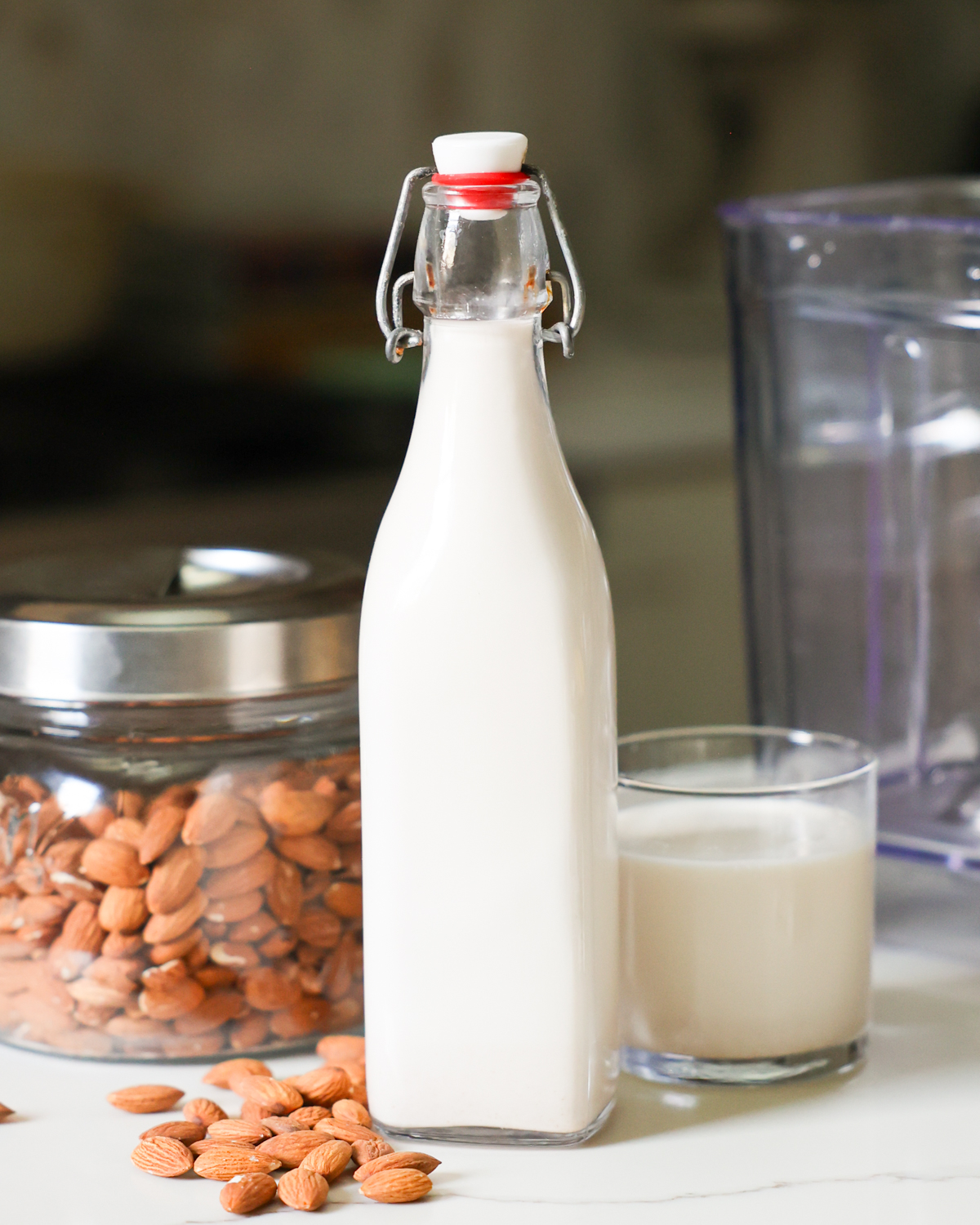
Tired of store-bought almond milk that's thin, watery, and loaded with mysterious additives? Imagine a homemade version that’s incredibly creamy, bursting with fresh flavor, and completely free of emulsifiers, thickeners, and preservatives. The good news? Learning how to make homemade almond milk is not only surprisingly simple but also incredibly rewarding. It’s a game-changer for your morning coffee, smoothies, or even just a refreshing glass on its own. Get ready to elevate your plant-based milk experience to a whole new level!
Why Homemade Almond Milk Reigns Supreme
There's a significant difference between the milky liquid you pour from a carton and the vibrant, wholesome concoction you create in your own kitchen. The superiority of homemade almond milk can be attributed to several key factors that directly impact your health, taste buds, and even your wallet.
Purity and Health Benefits You Control
One of the most compelling reasons to learn how to make homemade almond milk is to ditch the additives. Commercial almond milks often contain a list of ingredients designed to extend shelf life, create a uniform texture, and prevent separation. These can include carrageenan (a controversial thickener), gellan gum, sunflower lecithin, and various "natural flavors" that aren't always what they seem. By making your own, you maintain complete control, ensuring your milk is made from just a few pure ingredients: almonds, water, and perhaps a touch of natural flavoring like vanilla or cinnamon. This means no hidden sugars, no weird gums, and no preservatives – just wholesome goodness.
Unbeatable Taste and Texture
Prepare for a revelation. Homemade almond milk has a richer, creamier texture and a fresher, more pronounced almond flavor than most store-bought varieties. Many commercial options are diluted and designed for mass appeal, often leaving them tasting somewhat bland and thin. When you make it yourself, you dictate the almond-to-water ratio, allowing you to achieve your ideal creaminess. Whether you prefer a luxurious, thick milk perfect for lattes or a lighter version for cereal, homemade offers an unparalleled sensory experience. Our personal favorite is savoring this rich, homemade blend with a comforting cup of Chai tea – it genuinely takes the experience to the next level!
Nutritional Advantages and Customization
While almond milk naturally has less protein than dairy milk, it’s a fantastic lactose-free alternative, lower in calories, and provides beneficial amounts of vitamins D and E, along with calcium (though often less than fortified cow’s milk). When you craft it at home, you ensure these nutrients are from the almonds themselves, not just added synthetically. Furthermore, you can customize the sweetness level, adding natural sweeteners like dates, maple syrup, or honey, or leaving it unsweetened entirely. This level of personalization is impossible with pre-packaged options.
The Essential Ingredients for Your Best Almond Milk
The beauty of homemade almond milk lies in its simplicity. You only need a handful of core ingredients, with room for delicious optional enhancements to suit your palate. To truly master how to make homemade almond milk, understanding the role of each component is key.
- Almonds: Start with high-quality, raw, unsalted almonds. Blanched or roasted almonds will alter the flavor and texture significantly. Raw almonds yield the purest taste and creamiest texture.
- Water: Filtered water is highly recommended. Since water constitutes the majority of your milk, its quality directly impacts the final taste.
- Flavor Enhancers (Optional but Recommended):
- Vanilla Extract: A dash of pure vanilla extract adds a lovely warmth and depth, enhancing the natural sweetness perception.
- Cinnamon Powder: Just a pinch of cinnamon complements the almond flavor beautifully, especially if you enjoy spiced drinks like Chai or want a festive touch.
- Salt: A tiny pinch of sea salt (about ⅛ teaspoon) is a secret weapon. It doesn't make the milk taste salty but brightens and brings out the other flavors, much like salt in baking.
- Natural Sweeteners: For a subtly sweet milk, consider adding a tablespoon or two of maple syrup, honey, agave nectar, or even a few pitted dates. You can add these during blending or after straining, to taste.
Crafting Your Ideal Almond-to-Water Ratio
The ratio of almonds to water is crucial for determining the richness and creaminess of your homemade almond milk. While many recipes suggest a 1 cup of almonds to 4 cups of water ratio, we encourage you to experiment to find your personal preference.
- Standard (1:4 ratio): Using 1 cup of raw almonds to 4 cups (1 liter) of water yields a good, drinkable almond milk. This is often the most cost-effective option and still far superior to store-bought.
- Creamier (2:4 ratio): For a truly decadent, richer, and more luxurious almond milk – perfect for lattes, coffee, or sipping straight – we highly recommend increasing the almonds to 2 cups for every 4 cups of water. This creates a wonderfully full-bodied beverage.
Remember, 1 cup of water is approximately 250ml, so 4 cups will give you 1 liter of delicious milk. Don't be afraid to play around with these proportions; it's all part of the fun when learning how to make homemade almond milk!
Step-by-Step Guide: How to Make Homemade Almond Milk
Making your own almond milk is a surprisingly simple process that requires minimal effort for maximum reward. Follow these steps to create a fresh, additive-free beverage that will transform your daily routine.
Step 1: Soaking Your Almonds for Optimal Creaminess
This is arguably the most critical step in creating truly creamy homemade almond milk. Soaking isn't just about softening the almonds; it helps activate enzymes, aids digestion, and significantly contributes to a smoother, richer texture.
- Place your desired amount of raw almonds (e.g., 1-2 cups) in a bowl or jar.
- Pour enough filtered water over the almonds to completely cover them, plus an extra inch or two. The almonds will swell considerably.
- Let them soak for 6 to 12 hours, or ideally, overnight. A longer soak generally results in a creamier milk.
- Once soaked, drain the water completely. This soaking water often contains phytic acid, so it's best to discard it.
- Rinse the soaked almonds thoroughly under cold running water. They should look plump and feel soft to the touch.
Step 2: Blending for Velvety Smoothness
Now comes the magic! The blender is where the almonds transform into a beautiful, milky liquid.
- Transfer the rinsed, soaked almonds to a high-speed blender.
- Add 4 cups of fresh, filtered water.
- Add your flavor enhancers: a pinch of sea salt (about ⅛ tsp), ¼ teaspoon of cinnamon powder (optional), and 1 tablespoon of pure vanilla extract (optional).
- If you plan to sweeten your milk and prefer to blend the sweetener in, add a tablespoon or two of maple syrup, honey, or a couple of pitted dates now.
- Secure the lid and blend on high speed for 1 to 2 minutes. You want to see a homogenous, frothy, white liquid with no visible large almond pieces. The longer and more powerful the blend, the finer the pulp and potentially creamier the milk.
Step 3: Straining for the Perfect Texture (or Not!)
This step determines the final texture of your almond milk. Some prefer a "grainy" milk for its wholesome feel, while others crave ultimate smoothness.
- Option A: Wholesome & Grainy: If you enjoy a slightly grainy texture and want to retain all the fiber, you can drink the milk as is! It's delicious and incredibly nutritious.
- Option B: Silky Smooth: For classic, smooth almond milk, you'll need to strain out the pulp.
- Place a fine-mesh sieve over a large bowl.
- Line the sieve with a nut milk bag or several layers of good quality cheesecloth/muslin cloth. These tools are excellent for achieving a professional, pulp-free result.
- Carefully pour the blended almond milk into the lined sieve.
- Allow the liquid to drain naturally through the cloth into the bowl for a few minutes.
- Once most of the liquid has passed through, gather the edges of the cloth/bag and gently squeeze to extract as much remaining milk as possible. Apply increasing pressure until no more liquid drips out.
- For more detailed tips on achieving that perfect, additive-free consistency, check out our guide on Craft Your Perfect Almond Milk: Rich, Creamy, & Additive-Free.
Step 4: Sweeten, Store, and Savor
The final touches bring your homemade almond milk to perfection.
- Taste Test: Taste your freshly strained (or unstrained) almond milk. If you prefer it sweeter and didn't add sweetener during blending, now is the time. Stir in honey, maple syrup, agave, or even a bit of sugar, a tablespoon at a time, until it reaches your desired sweetness.
- Store: Pour your beautiful homemade almond milk into clean glass jars or bottles with airtight lids.
- Chill & Enjoy: Store your almond milk in the refrigerator. It will stay fresh for approximately 3-5 days. It's best enjoyed cold!
Pro Tips for Your Best Homemade Almond Milk Experience
Mastering how to make homemade almond milk is just the beginning. These expert tips will help you get the most out of your efforts and ensure a consistently delicious product every time.
- Don't Waste the Pulp! The leftover almond pulp is a valuable resource. Instead of discarding it, spread it thinly on a baking sheet and dehydrate it in a low oven (around 200°F / 95°C) until completely dry. Once dry, you can blend it into a fine flour for gluten-free baking, or mix it with spices and bake into crackers. It's also fantastic in energy bites, smoothies, or even added to oatmeal for extra fiber.
- Experiment with Flavors: While vanilla and cinnamon are classics, don't be afraid to get creative. Try adding a tablespoon of cocoa powder for chocolate almond milk, a pinch of cardamom for an exotic twist, or even a few dried ginger slices. A splash of rose water can also create a unique and delightful flavor.
- Adjusting Consistency: If your milk feels too thick, simply add a splash more filtered water and stir. If it's too thin for your liking, next time reduce the amount of water or increase the number of almonds for a richer result.
- Soaking Time Matters: While 6 hours is sufficient, aim for a full 12-hour or overnight soak whenever possible. This yields the creamiest milk and makes for easier digestion. If you forget to soak, a quick soak in hot water for 30 minutes can work in a pinch, but the texture won't be as smooth.
- Shake Before Serving: Separation is natural in homemade almond milk due to the absence of emulsifiers. Simply give your jar a good shake before each use to reincorporate the sediment.
Ready to dive deeper into the benefits and explore even more ways to enhance your homemade dairy-free journey? Don't miss our article: Easy Homemade Almond Milk: Ditch Additives, Boost Flavor.
Conclusion
Learning how to make homemade almond milk is a simple yet powerful step towards a healthier, more flavorful kitchen. By taking control of your ingredients, you unlock a world of fresh taste, superior texture, and peace of mind, free from the mysterious additives found in many store-bought options. This easy recipe offers incredible versatility, allowing you to customize the richness, sweetness, and flavor to perfectly suit your preferences. So, ditch the carton, embrace the blender, and discover the truly transformative experience of fresh, homemade almond milk. Your taste buds (and your body) will thank you!
